Ayurveda takes a long-term view of health. Instead of focusing only on symptoms, it considers digestion, daily habits, sleep, stress, activity, diet, and individual constitution. This makes Ayurvedic wellness particularly relevant for people who want to build sustainable health rather than depend on short-term fixes. The 25 best Ayurvedic therapies for lifelong wellness range from traditional oil therapies and herbal applications to Panchakarma procedures, digestive practices, and rejuvenation approaches. However, not every therapy is suitable for everyone. The right treatment depends on individual health, age, lifestyle, and the guidance of a qualified Ayurvedic professional. What Makes Ayurvedic Therapy Different? Ayurveda traditionally works around maintaining balance among Vata, Pitta, and Kapha, while supporting healthy digestion, elimination, sleep, and daily routines. Modern research on Ayurveda is still developing. Some therapies show promising results, but evidence quality differs significantly between treatments. Therefore, Ayurvedic care should be approached with realistic expectations and, when necessary, alongside conventional medical care. Here are 25 commonly used Ayurvedic therapies and wellness practices. 25 Best Ayurvedic Therapies for Lifelong Wellness 1. Abhyanga Abhyanga is a traditional Ayurvedic oil massage that uses warm herbal or medicated oils over the body. It is commonly included in wellness routines to support relaxation, skin nourishment, muscle comfort, and a sense of physical balance. The massage is usually performed with gentle, rhythmic movements selected according to individual needs. Regular Abhyanga may also encourage people to slow down, improve self-care habits, and create a calming daily or weekly wellness routine. 2. Shirodhara Shirodhara Ayurvedic Therapy …


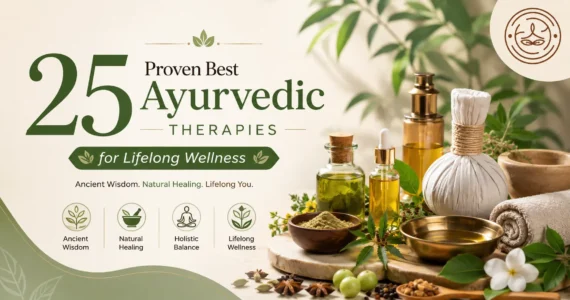
Ayurveda takes a long-term view of health. Instead of focusing only on symptoms, it considers digestion, daily habits, sleep, stress, activity, diet, and individual constitution. This makes Ayurvedic wellness particularly relevant for people who want to build sustainable health rather than depend on short-term fixes.
The 25 best Ayurvedic therapies for lifelong wellness range from traditional oil therapies and herbal applications to Panchakarma procedures, digestive practices, and rejuvenation approaches. However, not every therapy is suitable for everyone. The right treatment depends on individual health, age, lifestyle, and the guidance of a qualified Ayurvedic professional.
What Makes Ayurvedic Therapy Different?
Ayurveda traditionally works around maintaining balance among Vata, Pitta, and Kapha, while supporting healthy digestion, elimination, sleep, and daily routines.
Modern research on Ayurveda is still developing. Some therapies show promising results, but evidence quality differs significantly between treatments. Therefore, Ayurvedic care should be approached with realistic expectations and, when necessary, alongside conventional medical care.
Here are 25 commonly used Ayurvedic therapies and wellness practices.
25 Best Ayurvedic Therapies for Lifelong Wellness
1. Abhyanga
Abhyanga is a traditional Ayurvedic oil massage that uses warm herbal or medicated oils over the body. It is commonly included in wellness routines to support relaxation, skin nourishment, muscle comfort, and a sense of physical balance. The massage is usually performed with gentle, rhythmic movements selected according to individual needs. Regular Abhyanga may also encourage people to slow down, improve self-care habits, and create a calming daily or weekly wellness routine.
2. Shirodhara
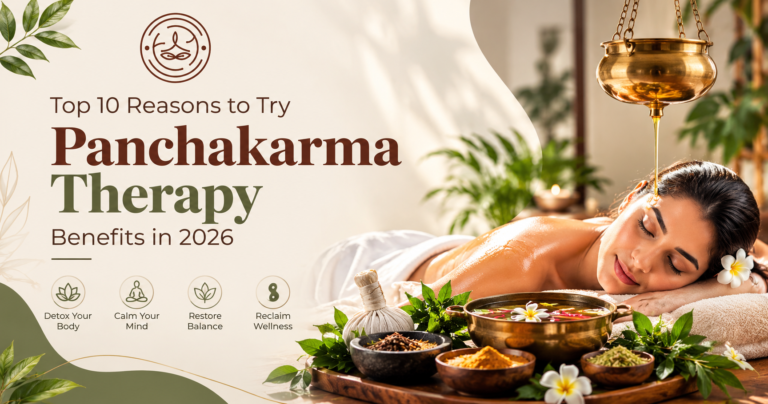
Shirodhara Ayurvedic Therapy is a well-known Ayurvedic relaxation treatment in which a continuous, gentle stream of warm oil or another suitable liquid is directed over the forehead. It is traditionally used to promote relaxation and mental calmness. Many people choose Shirodhara as part of a stress-management routine because the treatment creates a quiet, soothing experience. The procedure should be personalised according to the individual’s condition and performed by a trained Ayurvedic professional.
3. Panchakarma
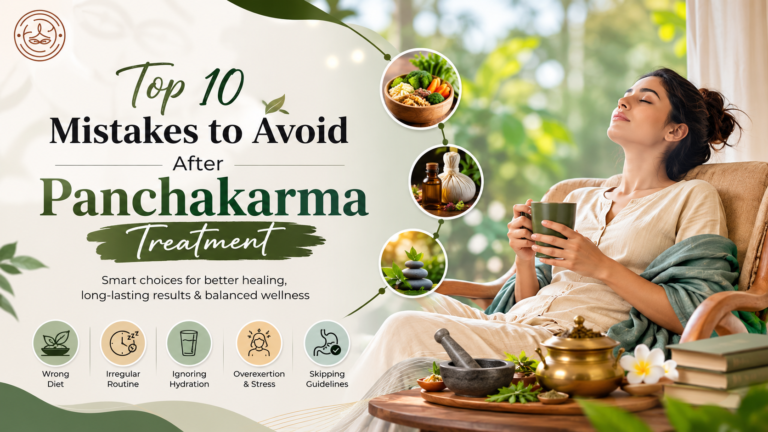
Panchakarma Ayurvedic Therapy is a specialised Ayurvedic approach traditionally designed to support cleansing and restoration. It includes several procedures, but not every procedure is suitable for every individual. A proper Panchakarma programme generally involves preparation, selected therapeutic procedures, and post-treatment care. The process should therefore be planned after an individual assessment rather than selected simply because it is popular. Professional supervision is especially important when stronger cleansing procedures are being considered.
4. Swedana
Swedana is an Ayurvedic therapeutic sweating or fomentation technique that is often performed after oil application. Herbal steam, heated boluses, or other traditional methods may be used depending on the treatment plan. The therapy is commonly included to promote relaxation, support muscular comfort, and prepare the body for certain Ayurvedic procedures. Because excessive heat may not be appropriate for everyone, the duration and intensity should be adjusted according to individual requirements and professional guidance.
5. Pizhichil
Pizhichil is a traditional Ayurvedic therapy in which warm medicated oil is gently poured over the body while massage techniques may be used at the same time. The combination creates a deeply relaxing experience and is traditionally associated with nourishment and physical comfort. Pizhichil is often considered for people looking for a restorative wellness treatment. The type of oil, temperature, duration, and technique should be selected according to the person’s constitution, age, health status, and treatment goals.
6. Kati Basti
Kati Basti is a localised Ayurvedic therapy focused on the lower back. A ring made from dough is placed over the selected area and filled with comfortably warm herbal oil for a specific period. The warm oil is traditionally used to provide local nourishment and relaxation. Kati Basti is commonly included in Ayurvedic wellness plans for people experiencing lower-back stiffness or muscular discomfort. It should be performed by a trained practitioner rather than attempted as a home treatment.
7. Janu Basti
Janu Basti is an Ayurvedic local therapy designed specifically for the knee region. A small dough structure is placed around the knee and filled with warm medicated oil, which is maintained at a suitable temperature for the recommended duration. The therapy is traditionally used to support joint comfort and relaxation. It may be included alongside massage, gentle movement, dietary guidance, or other Ayurvedic approaches when appropriate. A professional assessment helps determine whether it is suitable for the individual.
8. Greeva Basti
Greeva Basti focuses on the neck area and follows a method similar to other local Basti therapies. Warm herbal oil is retained over the selected region using a dough ring for a specific period. This traditional procedure is commonly used for relaxation and local muscular comfort. People who spend long hours working at computers or sitting in fixed positions may seek supportive Ayurvedic care for neck stiffness. However, persistent or severe symptoms should receive appropriate medical evaluation.
9. Nasya
Nasya is a traditional Ayurvedic procedure involving the administration of selected herbal oils or preparations through the nasal route. Ayurveda traditionally associates Nasya with care of the head, neck, and related areas. The preparation and quantity used depend on the individual’s condition and the practitioner’s assessment. Since nasal administration is different from ordinary massage or wellness therapies, it should not be performed casually or with unsuitable oils. Professional guidance is particularly important for children, older adults, and people with medical conditions.
10. Shiro Abhyanga
Shiro Abhyanga is a traditional Ayurvedic head massage performed with suitable herbal or medicated oils. Gentle massage movements are applied to the scalp and surrounding areas to encourage relaxation and provide a soothing self-care experience. It can be incorporated into an evening routine or used as part of a broader Ayurvedic wellness programme. Beyond the massage itself, taking time away from screens, work, and daily responsibilities can make this therapy a practical way to support relaxation and mindful living.
11. Pada Abhyanga
Pada Abhyanga is a traditional Ayurvedic foot massage using warm oil selected according to individual needs. Ayurveda considers the feet an important area for regular self-care, and foot massage is often recommended as part of an evening routine. The gentle movements can provide relaxation after a long day and may help create a calming transition before bedtime. It is a simple therapy that can complement healthy sleep habits, although individual results and suitability can vary.
12. Udvartana
Udvartana is a traditional Ayurvedic powder massage in which herbal powders are applied to the body using specific massage movements. Unlike oil massage, the dry or semi-dry texture creates a different sensory experience and is traditionally associated with skin care and supporting healthy body metabolism. Udvartana is sometimes included in Ayurvedic weight-management programmes alongside nutrition, physical activity, sleep, and lifestyle changes. It should not be viewed as a standalone solution for weight loss or obesity.
13. Ayurvedic Treatment for Obesity
An Ayurvedic Treatment for Obesity generally takes a broader approach than simply recommending a particular massage or herbal preparation. Ayurvedic care may consider eating habits, digestion, physical activity, sleep, stress, daily routine, and individual constitution. A sustainable plan should focus on realistic lifestyle changes rather than rapid weight-loss promises. Nutritional guidance and regular physical activity remain important parts of healthy weight management, while any Ayurvedic therapy should be selected according to the person’s overall health.
14. Podikizhi
Podikizhi is a traditional Ayurvedic therapy that uses small cloth bundles filled with selected herbal powders. The warm bundles are gently applied or massaged over different areas of the body. Ayurveda traditionally uses this therapy to support muscular comfort, relaxation, and mobility. The herbs and temperature can be modified depending on the person’s needs. Podikizhi is generally performed as part of a supervised treatment plan and should be avoided or modified when heat or pressure may be unsuitable.
15. Elakizhi
Elakizhi is an Ayurvedic therapy that uses heated herbal leaves prepared in cloth bundles. These warm boluses are applied to the body through gentle pressing or massage movements. The treatment is traditionally associated with muscular relaxation and support for stiffness. Because temperature plays an important role, the practitioner needs to monitor the heat carefully throughout the procedure. Elakizhi may be combined with other Ayurvedic therapies when appropriate, but the treatment plan should always reflect the individual’s condition and tolerance.
16. Navarakizhi
Navarakizhi is a nourishing Ayurvedic therapy that uses small boluses prepared from specially cooked rice and herbal milk. The warm bundles are gently applied over the body as part of a structured therapeutic session. It is traditionally selected when nourishment, relaxation, and rejuvenation are important goals. Unlike treatments focused mainly on cleansing, Navarakizhi has a more nourishing character. The preparation and application require skill, so it is best performed under the supervision of a trained Ayurvedic practitioner.
17. Takradhara
Takradhara is a traditional Ayurvedic therapy that uses a steady stream of medicated buttermilk over the forehead or scalp area. It provides a cooling and soothing experience and is traditionally selected in Ayurvedic care when calming and cooling approaches are considered appropriate. The formulation, temperature, duration, and technique can vary according to individual requirements. As with other specialised Ayurvedic procedures, Takradhara should be recommended after an assessment rather than chosen solely because it is trending online.
18. Sirovasthi
Sirovasthi is a specialised Ayurvedic procedure in which warm medicated oil is retained over the head using a specially designed setup. It differs from a regular head massage because the oil remains in contact with the scalp for a defined period. The treatment is traditionally used for selected head and nervous-system-related wellness concerns. Because the procedure requires appropriate preparation and monitoring, it should only be performed by a qualified practitioner familiar with Ayurvedic therapeutic procedures.
19. Thalapothichil
Thalapothichil, also known as Shirolepa, involves applying a selected herbal paste over the scalp and head region. Ayurveda traditionally uses different herbal combinations depending on the individual’s needs. The paste may be left in place for a specific duration before being removed according to the treatment protocol. It is generally considered a cooling and soothing therapy. The ingredients should be selected carefully, particularly for people with sensitive skin or known allergies.
20. Basti
Basti is one of the major procedures associated with classical Panchakarma and involves administering selected Ayurvedic preparations through the rectal route. Ayurveda uses different types of Basti depending on the intended therapeutic purpose and the individual’s condition. It is a specialised procedure and should never be treated as a casual detox treatment. Proper preparation, dosage, timing, hygiene, monitoring, and post-treatment care are essential. Basti should only be performed under the supervision of a qualified Ayurvedic professional.
21. Virechana
Virechana is a classical Ayurvedic therapeutic purgation procedure associated with Panchakarma. It involves carefully planned administration of selected preparations to induce controlled bowel elimination. Traditionally, the procedure is preceded by preparation and followed by specific dietary and lifestyle guidance. It is not appropriate for everyone and should never be attempted independently using random herbal products or laxatives. A qualified practitioner must evaluate the person’s health, strength, age, digestive condition, and other relevant factors before recommending Virechana.
22. Vamana
Vamana is a specialised Panchakarma procedure involving controlled therapeutic emesis and is traditionally used only for selected individuals after detailed assessment. It requires preparation beforehand and careful monitoring throughout the procedure, followed by appropriate recovery and dietary guidance. Because it is significantly more intensive than common Ayurvedic wellness treatments, it should never be performed without qualified supervision. People considering Panchkarma Therapy should understand that Panchakarma is personalised and that every procedure is not necessary or suitable for every person.
23. Rasayana Therapy
Rasayana is an important concept in Ayurveda associated with rejuvenation, nourishment, vitality, and healthy aging. Depending on individual needs, a Rasayana approach may include dietary recommendations, lifestyle practices, herbs, rest, and other supportive measures. The goal is not simply to take a particular supplement but to build habits that support long-term wellbeing. A personalized approach is important because herbal preparations and dietary recommendations can differ according to age, digestion, constitution, existing health concerns, and lifestyle.
24. Ayurvedic Nutrition Therapy
Nutrition is a central part of Ayurvedic wellness because food choices influence daily energy, digestion, routine, and overall lifestyle. An Ayurvedic Nutrition Expert or ayurvedic nutritionist can help create practical eating habits based on individual requirements rather than following a generic diet chart. If you are searching for an ayurvedic dietician near me, consider a professional who takes your health history, food preferences, lifestyle, and goals into account. Good nutrition should be realistic enough to follow consistently.
25. Dinacharya
Dinacharya refers to the Ayurvedic concept of maintaining a structured daily routine. It can include regular sleep and waking times, mindful eating, personal hygiene, physical activity, relaxation, and other healthy habits. Unlike short-term therapy, a consistent daily routine can become part of everyday life. The exact routine should remain practical rather than overly restrictive. Small habits followed consistently often make a wellness plan easier to maintain over the long term and can complement other Ayurvedic therapies.
How to Choose the Right Ayurvedic Therapy
The biggest mistake is choosing a therapy simply because it is popular. A treatment that suits one person may not suit another.
Start with a proper consultation. An Ayurvedic nutritionist, Ayurvedic Nutrition Expert, or qualified Ayurvedic physician can assess your diet, lifestyle, digestive patterns, and health concerns before recommending a plan.
For example, someone searching for an ayurvedic dietician near me may actually need nutritional guidance rather than Panchakarma. Similarly, Ayurvedic Treatment for Obesity should involve appropriate diet, physical activity, behavioural changes, and professional assessment rather than relying on massage alone.
For people considering Panchkarma Therapy, preparation and post-treatment care are equally important. Panchakarma is not simply a spa experience; traditional protocols can involve intensive procedures that require proper screening and supervision. Community discussions also frequently emphasize choosing qualified practitioners rather than selecting Panchakarma purely because it is fashionable.
Ayurvedic Wellness at Setu Nutricare Clinic
For people looking for structured Ayurvedic care in Ahmedabad, India, Setu Nutricare Clinic provides consultations and wellness-focused Ayurvedic services. The approach can include individualized dietary guidance and appropriate Ayurvedic therapies rather than applying the same protocol to every person.
You can explore the clinic’s Ayurvedic wellness therapies and Panchkarma treatment options before deciding what may be suitable.
Those interested in consulting Dt. Riddhi Nanda can also review the consultation page and learn more about the approach followed at Setu Nutricare.
Safety Matters in Ayurvedic Treatment
Natural does not automatically mean risk-free. Some Ayurvedic preparations can contain metals such as lead, mercury, or arsenic, and herbal products can also interact with medicines.
People who are pregnant, breastfeeding, taking prescription medicines, or managing a chronic condition should discuss Ayurvedic treatment with an appropriate healthcare professional before starting it.
The goal of lifelong wellness is not to undergo all 25 therapies. It is to identify the practices that genuinely fit your needs and maintain healthy fundamentals such as nutritious food, movement, adequate sleep, stress management, and regular medical care.
Frequently Asked Questions
1. Which Ayurvedic therapy is best for overall wellness?
There is no single best therapy for everyone. Abhyanga, appropriate nutrition, yoga, meditation, and selected Ayurvedic therapies may be useful depending on individual needs.
2. Is Panchakarma suitable for everyone?
No. Panchakarma procedures are individualized and may not be appropriate for certain people or health situations. Proper assessment by a qualified practitioner is important.
3. Is Shirodhara good for stress and sleep?
Shirodhara is traditionally used as a calming therapy, and some studies report promising effects for sleep and related concerns. However, it should not be presented as a guaranteed treatment.
4. Can Ayurveda help with weight management?
Ayurveda may support weight-management goals through individualized nutrition, activity, lifestyle changes, and selected therapies. It should not replace evidence-based medical care for obesity or related conditions.
5. How do I find a good Ayurvedic practitioner?
Look for qualified professionals who take a detailed health history, explain the proposed treatment, consider contraindications, and do not promise instant or guaranteed cures. A proper consultation is preferable to choosing a therapy based only on online popularity.

Sign up for free class
It’s easy and free!