Panchakarma is one of the most respected healing methods in Ayurveda. It is designed to remove toxins, restore balance, and support the body's natural ability to heal. However, the benefits of Panchakarma Treatment do not end when the therapy sessions are over. The recovery period is just as important as the treatment itself. Many people expect immediate, long-lasting results but unknowingly make mistakes that reduce the effectiveness of their therapy. Following the right post-treatment routine allows your body to adjust, rebuild strength, and maintain the positive changes achieved during Panchakarma Ayurvedic Therapy. If you have recently completed Panchakarma Ayurveda Treatment, here are the top mistakes you should avoid to protect your health and get the best possible results. Why Post-Panchakarma Care Matters During Panchakarma Therapy, the body undergoes a deep cleansing process. This process removes accumulated toxins while balancing the doshas Vata, Pitta, and Kapha. After detoxification, your digestive system, metabolism, and tissues become more sensitive. At Setu Nutricare Clinic, proper post-treatment care can help support the body during this important recovery stage. This recovery phase gives your body an opportunity to rebuild itself. Proper food, adequate rest, and healthy habits support this transition, while poor lifestyle choices can undo much of the progress made during treatment. Following the right post-Panchakarma guidance from a trusted Setu Nutricare clinic can help you maintain the benefits of detoxification and support a smoother recovery. 1. Returning to Heavy or Junk Food Too Soon One of the biggest mistakes people make is eating fried, …


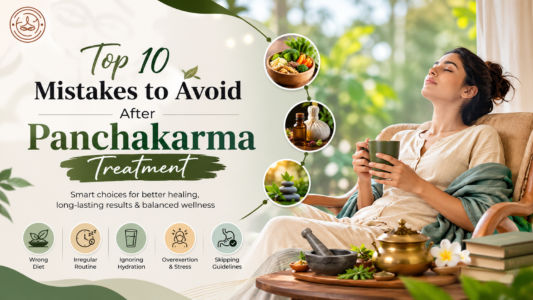
Panchakarma is one of the most respected healing methods in Ayurveda. It is designed to remove toxins, restore balance, and support the body’s natural ability to heal. However, the benefits of Panchakarma Treatment do not end when the therapy sessions are over. The recovery period is just as important as the treatment itself.
Many people expect immediate, long-lasting results but unknowingly make mistakes that reduce the effectiveness of their therapy. Following the right post-treatment routine allows your body to adjust, rebuild strength, and maintain the positive changes achieved during Panchakarma Ayurvedic Therapy.
If you have recently completed Panchakarma Ayurveda Treatment, here are the top mistakes you should avoid to protect your health and get the best possible results.
Why Post-Panchakarma Care Matters
During Panchakarma Therapy, the body undergoes a deep cleansing process. This process removes accumulated toxins while balancing the doshas Vata, Pitta, and Kapha. After detoxification, your digestive system, metabolism, and tissues become more sensitive. At Setu Nutricare Clinic, proper post-treatment care can help support the body during this important recovery stage.
This recovery phase gives your body an opportunity to rebuild itself. Proper food, adequate rest, and healthy habits support this transition, while poor lifestyle choices can undo much of the progress made during treatment. Following the right post-Panchakarma guidance from a trusted Setu Nutricare clinic can help you maintain the benefits of detoxification and support a smoother recovery.
1. Returning to Heavy or Junk Food Too Soon
One of the biggest mistakes people make is eating fried, processed, spicy, or sugary foods immediately after treatment.
Your digestive fire, known as Agni in Ayurveda, needs time to regain its full strength. Heavy meals place unnecessary stress on your digestive system and may cause bloating, acidity, or sluggishness.
Instead, begin with freshly cooked, light meals such as khichdi, vegetable soups, steamed vegetables, and easily digestible grains. Gradually introduce regular foods based on your Ayurvedic practitioner’s guidance.
Remember that Panchakarma is not simply a detox session, it is a process of resetting your digestive system. Giving your body nourishing, wholesome foods during this period allows the detoxification benefits to continue long after the therapy has ended.
2. Ignoring Dietary Instructions
Every person has a unique body constitution. The diet recommended after Panchakarma Treatment is customized according to your dosha, health condition, and treatment plan.
Avoid assuming that one diet works for everyone. Even healthy foods may not be suitable during recovery if they aggravate your dosha.
Following personalized nutritional guidance helps maintain the cleansing effects while supporting long-term wellness.
Hydration is equally important. Sip warm water or herbal infusions throughout the day instead of cold beverages, as they help support digestion and keep your metabolism functioning smoothly during recovery.
3. Overexerting Yourself
Feeling refreshed after treatment often encourages people to jump back into intense workouts or physically demanding activities.
This can slow recovery because your body is still rebuilding energy reserves.
Choose gentle activities such as walking, stretching, or light yoga during the first few days. Once your practitioner confirms that your body has recovered, you can gradually return to regular exercise.
Your energy may improve quickly, but internal healing takes longer. Allowing your body enough recovery time reduces the chances of fatigue, muscle soreness, and digestive discomfort.
4. Not Getting Enough Rest
Sleep plays a vital role after Panchakarma Therapy. Your body continues repairing tissues and restoring internal balance long after the treatment sessions end.
Late nights, excessive screen time, and irregular sleep schedules may interfere with this healing process.
Aim for consistent sleep, avoid unnecessary stress, and give yourself enough time to recover fully.
Creating a calming bedtime routine, limiting screen exposure before sleep, and maintaining regular sleeping hours can significantly improve the body’s natural healing response.
5. Skipping Follow-Up Consultation
Many people believe the treatment is complete once they leave the clinic. In reality, follow-up care is an important part of successful Panchakarma Ayurveda Treatment.
Regular consultation appointments allow your practitioner to monitor your recovery, adjust your diet if needed, recommend supportive herbal medicines, and address any temporary changes in digestion or energy.
Every individual’s recovery progresses differently. Follow-up consultations help identify small concerns before they become larger health issues, ensuring that your body continues healing in the right direction.
6. Going Back to Unhealthy Habits
Returning to smoking, excessive alcohol consumption, irregular eating, or chronic stress can quickly reduce the benefits of detoxification.
Panchakarma Therapy works best when it becomes part of a healthier lifestyle rather than a one-time event.
Simple habits such as mindful eating, staying hydrated, regular sleep, and stress management help preserve the positive effects for months.
Think of Panchakarma as the beginning of healthier living rather than the finish line. The healthier your daily routine becomes, the longer you’ll continue experiencing improved digestion, energy, and overall well-being.

7. Ignoring Mental Well-Being
Ayurveda recognizes that physical and emotional health are closely connected.
After detoxification, many people experience greater emotional awareness. Ignoring stress, anxiety, or negative thinking may affect overall recovery.
Meditation, breathing exercises, journaling, and spending time in nature can support emotional balance while complementing the healing process.
Even spending just 10–15 minutes each day practicing mindfulness or deep breathing can help maintain emotional stability and enhance the long-term benefits of Panchakarma.
8. Self-Medicating Without Professional Advice
Some individuals begin taking supplements, detox products, or herbal remedies without consulting their Ayurvedic doctor.
Even natural products may interfere with your recovery if they are not suitable for your body type.
Always discuss any new medication, supplement, or herbal preparation during your consultation before adding it to your routine.
Avoid relying on internet recommendations or over-the-counter detox products, as they may not complement your personalized Panchakarma recovery plan.
9. Expecting Instant Results
Healing is a gradual journey.
Although many people feel lighter and more energetic after Panchakarma Treatment, deeper improvements often continue developing over several weeks.
Patience is essential. Consistently following dietary recommendations and healthy lifestyle practices allows your body to achieve lasting benefits instead of temporary improvements.
Many individuals notice gradual improvements in digestion, sleep quality, immunity, skin health, and mental clarity over the weeks following treatment, making consistency far more valuable than expecting overnight results.
10. Choosing Generic Advice Instead of Personalized Care
Online articles and social media provide general wellness tips, but they cannot replace individualized guidance.
Every person’s dosha balance, medical history, and treatment goals are different. Personalized recommendations from an experienced Ayurvedic practitioner are far more effective than following generic advice.
If you’re looking for the Best Panchakarma Therapy, selecting a qualified clinic that offers customized care before, during, and after treatment makes a significant difference.
An experienced Ayurvedic expert evaluates your body constitution, lifestyle, medical history, and health goals before recommending a recovery plan. This personalized approach improves treatment outcomes and helps prevent recurring health concerns in the future.
How Professional Guidance Supports Better Recovery
Successful recovery depends on more than completing therapy sessions. It requires continued support, proper nutrition, and expert monitoring.
At Setu Nutricare, Dt. Riddhi Nanda provides personalized consultation and customized wellness plans based on Ayurvedic principles. Patients receive practical dietary guidance, recovery recommendations, and ongoing support to help maintain the benefits of Panchakarma Ayurvedic Therapy.
Whether you are considering Panchakarma Treatment for preventive care or specific health concerns, choosing experienced guidance helps you achieve safer and more sustainable results.
If you’re searching for trusted Panchakarma Ayurveda Treatment in Ahmedabad, India, professional assessment and individualized care can make your healing journey more effective.
Conclusion
Completing Panchakarma Therapy is only the beginning of your wellness journey. The choices you make afterward determine how long the benefits last.
By avoiding these common mistakes, eating mindfully, resting adequately, attending every consultation, and following personalized advice, you can support your body’s natural healing process and enjoy long-term improvements in health.
If you are planning to begin your Panchakarma journey or need expert post-treatment guidance, schedule a consultation with Dt. Riddhi Nanda at Setu Nutricare to receive a personalized recovery plan designed for your individual health needs.
FAQs
1. What foods should I avoid after Panchakarma Treatment?
Avoid fried foods, processed snacks, excess sugar, alcohol, cold beverages, and heavy meals for the period recommended by your Ayurvedic practitioner. Light, freshly prepared foods are usually preferred during recovery.
2. How long should I rest after Panchakarma Therapy?
Most practitioners recommend taking it easy for at least a few days. The exact duration depends on your health condition, age, and the type of Panchakarma Ayurveda Treatment you received.
3. Can I exercise immediately after Panchakarma?
It is better to avoid intense workouts right away. Gentle walking, yoga, and stretching are generally recommended until your practitioner advises resuming normal exercise.
4. Why is a follow-up consultation important after Panchakarma?
A follow-up consultation helps monitor your recovery, adjust your diet, recommend supportive therapies, and ensure you continue receiving the full benefits of treatment.
5. Where can I find the Best Panchakarma Therapy in Ahmedabad, India?
Look for an experienced Ayurvedic practitioner who provides personalized treatment plans, post-treatment guidance, and ongoing consultations. Clinics led by experts like Dt. Riddhi Nanda in Ahmedabad, India focus on individualized care for better long-term results.