

Ayurveda takes a long-term view of health. Instead of focusing only on symptoms, it considers digestion, daily habits, sleep, stress, activity, diet, and individual constitution. This makes Ayurvedic wellness particularly relevant for people who want to build sustainable health rather than depend on short-term fixes. The 25 best Ayurvedic therapies for lifelong wellness range from traditional oil therapies and herbal applications to Panchakarma procedures, digestive practices, and rejuvenation approaches. However, not every therapy is suitable for everyone. The right treatment depends on individual health, age, lifestyle, and the guidance of a qualified Ayurvedic professional. What Makes Ayurvedic Therapy Different? Ayurveda traditionally works around maintaining balance among Vata, Pitta, and Kapha, while supporting healthy digestion, elimination, sleep, and daily routines. Modern research on Ayurveda is still developing. Some therapies show promising results, but evidence quality differs significantly between treatments. Therefore, Ayurvedic care should be approached with realistic expectations and, when necessary, alongside conventional medical care. Here are 25 commonly used Ayurvedic therapies and wellness practices. 25 Best Ayurvedic Therapies for Lifelong Wellness 1. Abhyanga Abhyanga is a traditional Ayurvedic oil massage that uses warm herbal or medicated oils over the body. It is commonly included in wellness routines to support relaxation, skin nourishment, muscle comfort, and a sense of physical balance. The massage is usually performed with gentle, rhythmic movements selected according to individual needs. Regular Abhyanga may also encourage people to slow down, improve self-care habits, and create a calming daily or weekly wellness routine. 2. Shirodhara Shirodhara Ayurvedic Therapy …
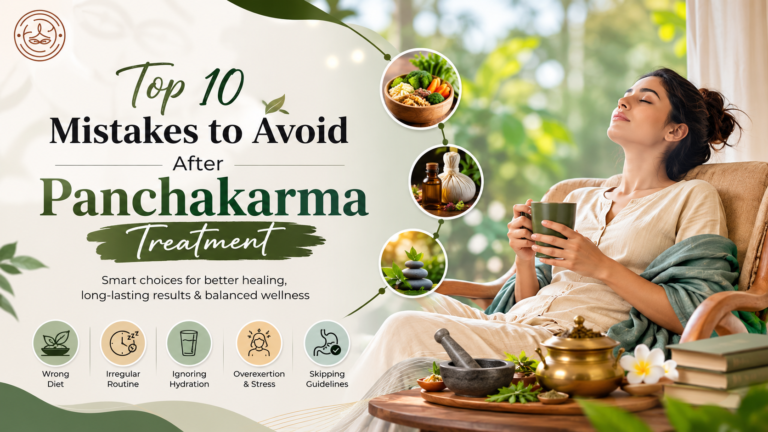
Panchakarma is one of the most respected healing methods in Ayurveda. It is designed to remove toxins, restore balance, and support the body's natural ability to heal. However, the benefits of Panchakarma Treatment do not end when the therapy sessions are over. The recovery period is just as important as the treatment itself. Many people expect immediate, long-lasting results but unknowingly make mistakes that reduce the effectiveness of their therapy. Following the right post-treatment routine allows your body to adjust, rebuild strength, and maintain the positive changes achieved during Panchakarma Ayurvedic Therapy. If you have recently completed Panchakarma Ayurveda Treatment, here are the top mistakes you should avoid to protect your health and get the best possible results. Why Post-Panchakarma Care Matters During Panchakarma Therapy, the body undergoes a deep cleansing process. This process removes accumulated toxins while balancing the doshas Vata, Pitta, and Kapha. After detoxification, your digestive system, metabolism, and tissues become more sensitive. At Setu Nutricare Clinic, proper post-treatment care can help support the body during this important recovery stage. This recovery phase gives your body an opportunity to rebuild itself. Proper food, adequate rest, and healthy habits support this transition, while poor lifestyle choices can undo much of the progress made during treatment. Following the right post-Panchakarma guidance from a trusted Setu Nutricare clinic can help you maintain the benefits of detoxification and support a smoother recovery. 1. Returning to Heavy or Junk Food Too Soon One of the biggest mistakes people make is eating fried, …
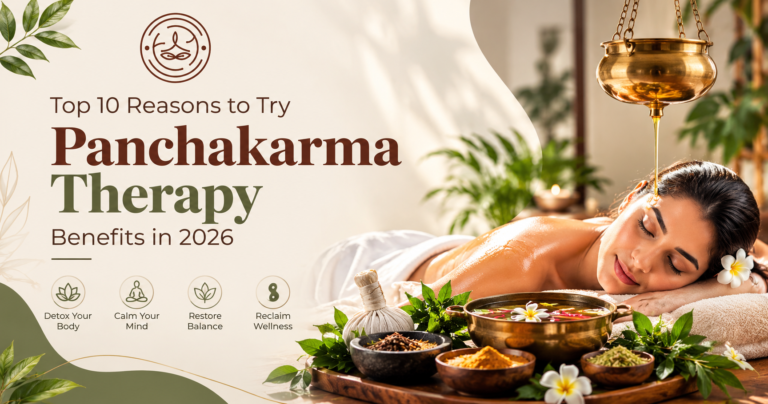
Panchakarma Treatment is a detoxification treatment from Ayurveda medicine which has been tried for many years to purify the body and rejuvenate the mind and soul. In ancient Indian healing traditions, the treatment is derived from the Sanskrit words Pancha, which translates to five, and Karma, which means actions. These five therapeutic actions aim to eliminate toxins (Ama) from the body, restore balance to the Doshas (Vata, Pitta, and Kapha), and promote overall well-being. At Setu Nutricare Clinic, Ahmedabad, we have authentic and individualized Panchakarma Treatment services according to your own body constitution and health requirements. Be it physical detox or deeper interaction with the self, Panchakarma Therapy offers an all-around method of healing.The Five Steps of Panchakarma TreatmentPanchakarma encompasses five basic purification techniques with a different approach to various types of detoxification. Here they are, described briefly: 1. Vamana (Therapeutic Emesis)This technique includes forced vomiting to cleanse out the toxins and extra Kapha from the body. It is essentially used in the treatment of respiratory and digestive diseases like bronchitis, asthma, and indigestion. 2. Virechana (Purgation Therapy)Scientifically proven herbal laxatives are taken orally for the cleaning of the intestines and the expulsion of excess Pitta. It is supplemented by sattvic food during the entire duration of the detox. This therapy is particularly helpful in managing skin diseases, acidity, and liver problems. 3. Basti (Enema Therapy)Basti is the application of medicated oils or herbal decoctions into the colon with the purpose of purging the toxins and adjusting Vata. It is …
In today’s fast-paced world, there is a greater importance for immunities. A healthy immune system fights diseases but improves and enhances overall health and well-being. Ayurveda, which is the ancient Indian system of medicine, will bring in a holistic approach towards the nourishment of building up immunities through proper nutrition, lifestyle, and natural remedies. For those looking for professional guidance within this area, Setu Nutricare Clinic in Ahmedabad comes forward as the beacon of Ayurvedic excellence. Why Choose Ayurvedic Nutrition? Ayurvedic nutrition focuses on balancing the three doshas—Vata, Pitta, and Kapha— in the body. This personalized approach would ensure that your dietary plan aligned with your unique constitution, and thus enhance immunity and energy. Unlike generic nutritional plans, Ayurvedic nutrition integrates food as medicine, emphasizing whole, seasonal, and natural ingredients. You can consult an Ayurvedic nutritionist who will teach you how to apply ancient practices to boost your immunity. An Ayurvedic nutritionist doesn't just suggest foods for you to eat but guides you on when and how to eat, in consideration of your body's natural rhythms. Meet Dt. Riddhi Nanda: Your Ayurvedic Nutrition Specialist Dt. Riddhi Nanda is an Ayurvedic Nutritionist at Setu Nutricare Clinic, who custom-designs nutrition plans to increase immunity and well-being. With differentials of experience in Ayurvedic principles, she balances the teachings of ancient wisdom with working sciences of nutrition to provide her clients with useful and effective solutions. Dt. Nanda holds expertise in: The Role of Ayurvedic Nutrition in Immunity Ayurveda mainly depends on diet and …
In today’s fast-moving world, dependency on pharmaceutical medicines has become a tradition for managing health issues. However, there’s a growing awareness about the importance of a holistic and natural approach to healing. The ancient Indian science of life, Ayurveda, is a great way to live a medicine-free life. Ayurvedic treatments and therapies heal not only symptoms but the very root causes of diseases. At Setu Nutricare Clinic in Ahmedabad, under the direct expertise of Dr. Riddhi Nanda, many have transitioned towards a life without dependency on conventional medicines. This blog discusses Ayurvedic therapies, principles, and how Ayurveda assists in leading a healthy balanced medicine-free life. Understanding Ayurveda: A Science of Holistic Healing Ayurveda is more than just a medical system, it is a way of life that aims to achieve harmony in the body, mind, and spirit. Rooted deeply in nature's wisdom, Ayurvedic theory surrounds itself with three doshas Vata, Pitta, and Kapha. These doshas mean different energy types governing all physiological and psychological processes in the body. A balanced state of these doshas results in the most efficient functioning of the body, any imbalance causing the emergence of diseases or disorders. Unlike modern medicine, wherein the focus often is only on symptom management, Ayurveda directs its efforts towards the restoration of balance by addressing the underlying causes of the ailments. The Ayurveda Principles To Medicine-Free Living 1. Personalized Approach to Health Ayurveda views everyone as unique, thus requiring individualized care. At Setu Nutricare Clinic, an evaluation is done to …
Feeling worried or anxious? Well, in this busy world, you are not only the one with this condition. Stress is an unavoidable condition in people’s life these days. To get rid of it, many rely on medications. Managing stress with medicines is not the only alternative. Stress can be managed naturally as well, without medication. In this blog post, we will explore the steps to reduce dependency on medicines including lifestyle changes, diet modifications, and natural supplements to fight against stress. Tips to Manage Stress Naturally for Medicine-Free Life Exercise Regularly Physical activity is a natural stress reliever. Take a walk, go jogging, practice yoga, swim, or dance your heart out. These physical activities can release endorphins which can improve your mood. Adequate Sleep Quality sleep is also important for managing stress. Sleep for at least 7-8 hours every night and stick to a regular sleeping schedule. Practice Meditation Meditation can calm your mind and body. Try techniques like meditation, deep breathing, and progressive muscle relaxation. Take a few deep breaths when feeling overloaded. Eat Healthy Healthy eating has a positive impact on your body and helps in stress relief. Consume fruits, vegetables, and whole grains which are rich in nutrients and antioxidants. Avoid Unhealthy Habits Many people deal with stress using unhealthy habits. Drinking too much caffeine, alcohol, and smoking can affect your body and increase stress levels. Laughter Therapy Laughing can lighten your mental load. Watch comedy movies, read jokes, or hang out with funny friends. Try laughter …
Over the past few decades, plant-based diets have gained attention for their positive impact on health. Many individuals are now shifting toward a plant-centered way of eating, not just for ethical or environmental reasons but also for their potential to prevent lifestyle diseases and reverse chronic diseases. Mounting evidence from scientific research shows that plant-based diets can play a significant role in reversing health conditions such as heart disease, type 2 diabetes, obesity, and certain cancers. In this blog, we’ll explore how plant-based diets contribute to disease reversal and why this lifestyle modification is becoming a game-changer for millions. What is a Plant-Based Diet? A plant-based diet emphasizes the consumption of whole, unprocessed plant foods, including fruits, vegetables, whole grains, legumes, nuts, and seeds. It eliminates or drastically reduces animal products like meat, dairy, eggs, and processed foods high in sugar and unhealthy fats. The focus is on nutrient-dense foods that are packed with fiber, vitamins, minerals, and antioxidants, all of which are essential for maintaining good health and promoting disease reversal. The Link Between Plant-Based Diets and Disease Reversal Heart Disease Reversal Heart disease remains the leading cause of death globally, and many people believe that once diagnosed, it’s a lifelong condition. However, multiple studies show that plant-based diets can not only prevent heart disease but also reverse its progression. Plant-based diets are naturally low in saturated fats and cholesterol, which are major contributors to heart disease. Instead, they are rich in heart-healthy nutrients such as fiber, antioxidants, and …
A medicine-free lifestyle is an approach that emphasizes natural health and well-being by focusing on preventive care, lifestyle adjustments, and natural remedies instead of pharmaceuticals. This approach encourages addressing the root causes of health issues, enhancing the body's natural healing abilities, and avoiding potential side effects associated with medications. Through balanced nutrition, regular exercise, stress management, and holistic therapies, a medicine-free life can lead to sustainable health improvements, higher energy levels, and a stronger immune system, empowering individuals to achieve long-term wellness naturally. Benefits of Medicine Free Life Living a medicine-free life offers numerous benefits, such as reducing potential side effects from pharmaceuticals and fostering a greater connection to natural healing processes. It encourages lifestyle changes that support the body’s inherent healing abilities, like improved diet, regular exercise, stress management, and natural remedies. This approach can enhance immunity, boost energy levels, and lead to long-term physical and mental wellness. A medicine-free lifestyle also promotes preventive care, helping to address the root causes of health issues rather than merely treating symptoms. Living a medicine-free life is about making choices that promote long-term health and well-being. Here are 20 practical ways to live a healthy, medicine-free life by relying on natural habits and lifestyle modifications: 20 Ways to Live a Medicine Free Life 1. Eat a Balanced Diet Focus on whole foods such as fruits, vegetables, lean proteins, and whole grains. Avoid processed foods, sugar, and unhealthy fats. A balanced diet strengthens the immune system and prevents many diseases. 2. Exercise Regularly …
Obesity, a growing global health concern, is often linked to lifestyle factors like unhealthy eating habits, sedentary behavior, and stress. Ayurveda, an ancient Indian system of medicine, offers a holistic approach to managing obesity by addressing its root causes and promoting overall well-being. It emphasizes balancing the body's doshas (vital energies) and restoring harmony to achieve optimal health. Understanding Obesity in Ayurvedic Terms Ayurveda classifies obesity as "Sthoulya", a condition caused by the imbalance of the Kapha dosha—one of the three primary doshas that govern body function. The Kapha dosha is associated with heaviness, coldness, and stability, and when out of balance, it can lead to weight gain, lethargy, and sluggish digestion. The imbalance of Kapha, along with poor eating habits, sedentary lifestyle, and mental stress, can result in the accumulation of excess body fat. Obesity is considered a result of impaired metabolism, or Agni, which disrupts the digestive fire and leads to the formation of Ama—a toxic byproduct that accumulates in the body and hinders proper nutrient absorption. The Ayurvedic approach to obesity focuses on correcting these imbalances by improving digestion, stimulating the body’s metabolic rate, and eliminating toxins. Key Ayurvedic Principles for Weight Management Dietary Modifications: Lifestyle Changes: Read also: 20 Ways to Live a Medicine Free Life Panchakarma: Herbal Remedies: Popular Ayurvedic Treatments for Obesity Benefits of Ayurvedic Approach to Obesity Conclusion Ayurvedic treatment for obesity offers a comprehensive and personalized approach to managing weight and improving overall health. By addressing the underlying imbalances in the body …
- 1
- 2