Modern life often leaves little room for rest. Long working hours, irregular meals, stress, poor sleep and constant exposure to screens can gradually affect digestion, energy and overall well-being. This is one reason traditional Ayurvedic therapies such as Panchakarma Therapy continue to attract attention in 2026. But Panchakarma is not simply a spa detox or a quick cleansing programme. In Ayurveda, it is a structured therapeutic approach that is selected according to an individual's constitution, health condition and treatment goals. It may involve preparation, one or more main procedures and a carefully planned recovery period. For people considering Panchakarma Treatment in Ahmedabad, India, understanding the therapy before starting is important. Here are ten practical reasons why people consider Panchakarma as part of a broader Ayurvedic wellness plan. What Is Panchakarma Treatment? So, what is Panchakarma treatment? The word comes from two Sanskrit terms: Pancha, meaning five, and Karma, meaning actions or procedures. Traditional Panchakarma refers to a group of therapeutic procedures used in Ayurveda to support internal cleansing and restore balance. The five classical procedures are Vamana, Virechana, Basti, Nasya and Raktamokshana. Not every person needs every procedure. An Ayurvedic practitioner first considers factors such as constitution, symptoms, medical history and overall strength before recommending a suitable approach. 10 Benefits and Reasons to Consider Panchakarma Therapy 1. Supports Digestive Health Digestive discomfort is common among people with irregular eating habits. Bloating, heaviness, constipation and poor appetite can affect daily comfort. A personalised Panchakarma Ayurveda Treatment may include dietary changes and …


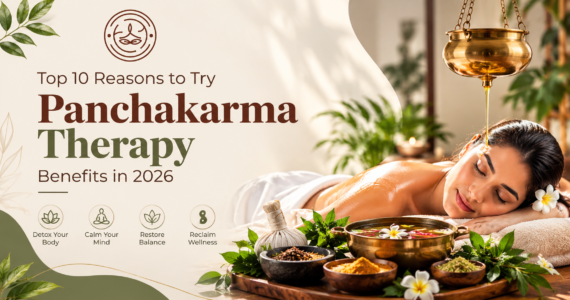
Modern life often leaves little room for rest. Long working hours, irregular meals, stress, poor sleep and constant exposure to screens can gradually affect digestion, energy and overall well-being. This is one reason traditional Ayurvedic therapies such as Panchakarma Therapy continue to attract attention in 2026.
But Panchakarma is not simply a spa detox or a quick cleansing programme. In Ayurveda, it is a structured therapeutic approach that is selected according to an individual’s constitution, health condition and treatment goals. It may involve preparation, one or more main procedures and a carefully planned recovery period.
For people considering Panchakarma Treatment in Ahmedabad, India, understanding the therapy before starting is important. Here are ten practical reasons why people consider Panchakarma as part of a broader Ayurvedic wellness plan.
What Is Panchakarma Treatment?
So, what is Panchakarma treatment? The word comes from two Sanskrit terms: Pancha, meaning five, and Karma, meaning actions or procedures. Traditional Panchakarma refers to a group of therapeutic procedures used in Ayurveda to support internal cleansing and restore balance.
The five classical procedures are Vamana, Virechana, Basti, Nasya and Raktamokshana. Not every person needs every procedure. An Ayurvedic practitioner first considers factors such as constitution, symptoms, medical history and overall strength before recommending a suitable approach.
10 Benefits and Reasons to Consider Panchakarma Therapy
1. Supports Digestive Health
Digestive discomfort is common among people with irregular eating habits. Bloating, heaviness, constipation and poor appetite can affect daily comfort.
A personalised Panchakarma Ayurveda Treatment may include dietary changes and selected therapies intended to support digestion and metabolic function. The aim is not simply to remove food from the digestive tract, but to encourage healthier routines around food, digestion and recovery.
2. Helps Create a Structured Wellness Reset
One useful aspect of Panchakarma is that it creates a period where people intentionally slow down. Food choices, sleep, activity and daily routines are usually given greater attention.
This structured approach can be valuable for someone who has spent months or years following an inconsistent lifestyle. Rather than viewing Panchakarma as a one-time fix, it is more useful to treat it as an opportunity to review everyday habits.
3. May Support Stress Management
Stress can influence sleep, appetite, digestion and energy. Ayurvedic care often combines therapeutic procedures with rest, breathing practices, suitable food and lifestyle guidance.
Some Panchakarma programmes may also incorporate therapies such as Abhyanga or Shirodhara when considered appropriate. The overall focus is to create a calmer routine rather than relying on one procedure alone.
4. Can Encourage Better Sleep and Relaxation
Poor sleep is often connected with hectic schedules, excessive screen use and mental overstimulation. A period of rest and reduced workload during an Ayurvedic programme may help people establish a more consistent routine.
Relaxing therapies and lifestyle changes can complement this process. However, persistent insomnia should not automatically be attributed to a dosha imbalance and deserves appropriate professional evaluation.
5. Supports a Healthier Relationship With Food
Panchakarma commonly places importance on what, when and how a person eats. During and after treatment, meals may be kept simple and easier to digest before normal foods are gradually reintroduced.
This can help people notice how certain eating patterns affect their comfort and energy. Nutrition should remain personalised rather than following the same restrictive diet for everyone.
6. May Help With a Rejuvenating Routine
Rejuvenation is an important concept in Ayurveda. After the cleansing phase, attention shifts towards nourishment, rest and rebuilding.
This is why Panchakarma Treatment should not be viewed as only the main cleansing procedure. Preparation and post-treatment care are equally important. A suitable recovery routine may include nourishing meals, adequate sleep, gentle movement and practitioner-recommended Ayurvedic care.
7. Supports Overall Energy and Daily Well-Being
People often consider Panchakarma when they feel physically sluggish or find it difficult to maintain healthy routines.
When treatment is combined with improved sleep, nutrition and daily activity, people may experience a greater sense of routine and well-being. Results vary from person to person, so it is better to focus on sustainable health changes rather than expecting an instant energy boost.
8. Can Complement Chronic Health Management
Ayurveda may be used alongside broader healthcare for certain long-term concerns. Panchakarma should not be promoted as a replacement for prescribed medical treatment, particularly for conditions requiring ongoing monitoring.
A qualified practitioner can assess whether Ayurvedic therapies are appropriate and whether coordination with conventional healthcare is necessary. This individualised approach is especially important when someone takes regular medication or has an existing medical condition.
9. Encourages Personalised Health Care
One of the strongest reasons to consider Panchakarma is its individualised nature. The same procedure is not automatically suitable for every person.
At Setu Nutricare Clinic, the approach combines Ayurvedic principles with nutrition and lifestyle guidance. The clinic’s team includes Dt. Riddhi Nanda, a nutrition consultant, and an Ayurveda consultant and Panchkarma physician.
For someone considering treatment in Ahmedabad, a proper consultation can help determine whether Panchakarma is suitable and what type of programme may be appropriate.
10. Provides an Opportunity to Improve Long-Term Habits
Perhaps the most practical benefit is that Panchakarma can encourage people to think beyond the treatment itself.
A successful wellness plan should continue after the therapy ends. Eating better, maintaining regular sleep, managing stress, staying physically active and following appropriate dietary advice can help turn a short treatment period into lasting lifestyle improvements.
What Are the Types of Panchkarma Treatments?
People searching for what is Panchkarma types of Panchkarma treatments often expect a simple list. Traditionally, the five procedures are:
- Vamana: Therapeutic emesis used in selected cases.
- Virechana: Therapeutic purgation.
- Basti: Administration of medicated preparations through the rectal route.
- Nasya: Administration of selected medicines through the nasal route.
- Raktamokshana: A traditional bloodletting procedure used only in specific circumstances.
These procedures are not interchangeable, and some are not suitable for every person. Their selection requires professional assessment.
What to Avoid: Common Mistakes After Panchakarma
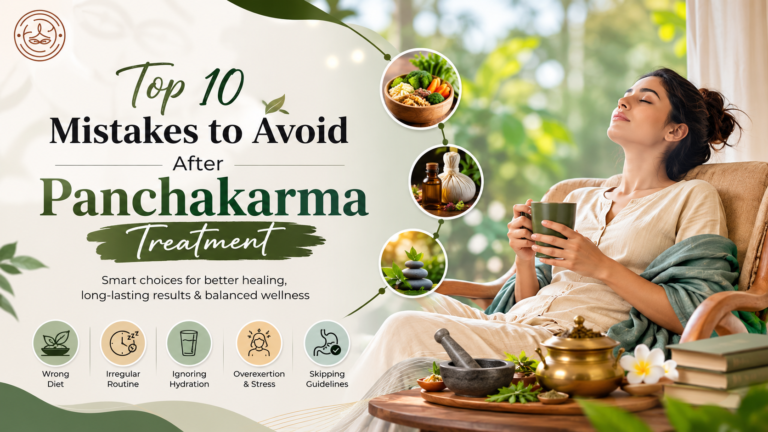
Knowing the mistakes after Panchakarma is just as important as understanding its benefits.
Returning immediately to heavy, fried or highly processed foods, overexercising, ignoring sleep, consuming alcohol or abandoning the recommended recovery routine can make the transition unnecessarily difficult. Post-treatment care should follow the practitioner’s instructions because recovery needs can differ between individuals.
Is Panchakarma Right for You?
Panchakarma should begin with a proper consultation, particularly if you have an existing medical condition, take medication, are pregnant, are recovering from illness or have other specific health concerns.
A personalised assessment is more useful than choosing a treatment simply because it is trending online. For residents of Ahmedabad, India, Setu Nutricare Clinic provides Ayurvedic, nutrition and lifestyle-based consultations alongside traditional therapies.
Final Thoughts
The growing interest in Panchakarma Therapy in 2026 reflects a wider shift towards preventive wellness and more mindful lifestyles. Its value lies not in a dramatic “detox” promise, but in the structured combination of Ayurvedic therapies, food, rest and lifestyle guidance.
If you are considering Panchakarma, start with professional advice rather than choosing procedures on your own. A personalised plan can help you understand what is appropriate for your body, health history and goals.
Frequently Asked Questions
1. How long does Panchakarma Treatment take?
The duration varies depending on the person’s condition, treatment plan and selected procedures. Panchakarma generally involves preparation, the main therapeutic phase and post-treatment care rather than a single session.
2. Can everyone undergo Panchakarma Therapy?
No. Panchakarma is not automatically suitable for everyone. Age, strength, medical history, current medications and other health factors should be considered before treatment. A professional consultation is recommended.
3. What should I eat after Panchakarma?
Food is generally reintroduced gradually according to the practitioner’s advice. Light, simple and easily digestible meals may be recommended initially, followed by a gradual return to a normal diet.
4. What are the common mistakes after Panchakarma?
Common mistakes include returning too quickly to heavy foods, excessive physical activity, poor sleep, alcohol consumption and ignoring post-treatment dietary or lifestyle advice. Following individual recovery instructions is important.
5. Can Panchakarma replace modern medical treatment?
No. Panchakarma should not be considered a replacement for necessary medical diagnosis or prescribed treatment. If you have a health condition or take medication, discuss Ayurvedic treatment with an appropriately qualified healthcare professional.

Sign up for free class
It’s easy and free!