
Ayurveda, often referred to as the "science of life," is an ancient system of medicine that originated in India over 5,000 years ago.Ayurveda is a Sanskrit word derived from the amalgamation of two words, Ayur, which means life and veda means the knowledge of science, hence, science of life. It encompasses a holistic approach to health and well-being, focusing on the balance between the mind, body, and spirit.Unlike conventional medicine, which often targets specific symptoms, Ayurveda aims to maintain and restore health by understanding the unique constitution of each individual and the interplay of natural forces within and around them. The Five Elements According to Ayurveda, the universe, including the human body, is composed of five fundamental elements, known as the Pancha Mahabhutas. These elements form the building blocks of all matter and are integral to understanding Ayurvedic principles.⦁ Earth: Represents solidity and stability. It forms the physical structure of the body, including bones, muscles, and tissues. This element provides grounding and endurance.⦁ Water: Represents fluidity and cohesion. It is present in bodily fluids like blood, lymph, and digestive juices. Water is essential for hydration, lubrication, and the smooth functioning of organs.⦁ Fire: Represents transformation and metabolism. It governs digestion, absorption, and body temperature. Fire is crucial for energy production and various biochemical processes.⦁ Air: Represents movement and mobility. It is responsible for breathing, circulation, and nerve impulses. Air is vital for the movement of thoughts, emotions, and physical actions.⦁ Ether: Represents space and expansiveness. It provides the space for …



Ayurveda, often referred to as the “science of life,” is an ancient system of medicine that originated in India over 5,000 years ago.
Ayurveda is a Sanskrit word derived from the amalgamation of two words, Ayur, which means life and veda means the knowledge of science, hence, science of life. It encompasses a holistic approach to health and well-being, focusing on the balance between the mind, body, and spirit.
Unlike conventional medicine, which often targets specific symptoms, Ayurveda aims to maintain and restore health by understanding the unique constitution of each individual and the interplay of natural forces within and around them.
The Five Elements
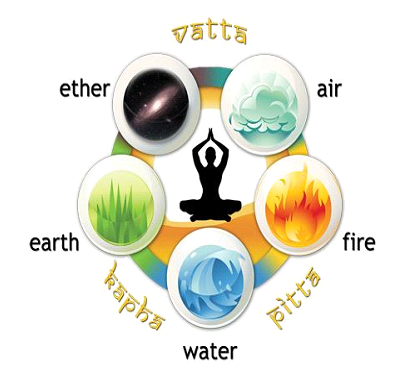
According to Ayurveda, the universe, including the human body, is composed of five fundamental elements, known as the Pancha Mahabhutas. These elements form the building blocks of all matter and are integral to understanding Ayurvedic principles.
⦁ Earth: Represents solidity and stability. It forms the physical structure of the body, including bones, muscles, and tissues. This element provides grounding and endurance.
⦁ Water: Represents fluidity and cohesion. It is present in bodily fluids like blood, lymph, and digestive juices. Water is essential for hydration, lubrication, and the smooth functioning of organs.
⦁ Fire: Represents transformation and metabolism. It governs digestion, absorption, and body temperature. Fire is crucial for energy production and various biochemical processes.
⦁ Air: Represents movement and mobility. It is responsible for breathing, circulation, and nerve impulses. Air is vital for the movement of thoughts, emotions, and physical actions.
⦁ Ether: Represents space and expansiveness. It provides the space for all bodily functions to occur. Ether is associated with higher consciousness and communication.
Read also: 20 Ways to Live a Medicine Free Life
The Three Doshas
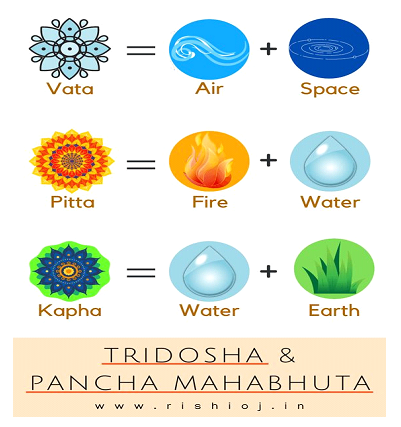
Ayurveda teaches that these five elements combine to form three primary energies, or doshas, which govern all physiological and psychological processes in the body.
Each person has a unique balance of these doshas, which determines their constitution, known as Prakriti.
⦁ Vata Dosha
Governs movement, including blood flow, elimination of wastes, and breathing. Vata is associated with creativity, vitality, and flexibility. When balanced, Vata promotes energy and adaptability, but when imbalanced, it can lead to anxiety, dry skin, and digestive issues.
⦁ Pitta Dosha
Governs transformation, including digestion, metabolism, and body temperature. Pitta is linked to intelligence, courage, and ambition. Balanced Pitta results in good digestion and sharp intellect, while an imbalance can cause anger, inflammation, and digestive disorders.
⦁ Kapha Dosha
Governs structure, including growth, lubrication, and immune function. Kapha is associated with calmness, strength, and stability. A balanced Kapha promotes love and patience, but an imbalance can lead to weight gain, lethargy, and congestion.
Ayurvedic Treatments
Ayurvedic treatments are highly personalized, aiming to restore the balance of the doshas and maintain health through natural means. The following are key components of Ayurvedic treatments:
⦁ Herbal Remedies
Utilizing a vast array of plants and herbs known for their healing properties. Commonly used herbs include turmeric, ashwagandha, and tulsi. These herbs are tailored to individual needs and dosha imbalances.
⦁ Panchakarma
A comprehensive detoxification and purification process involving five treatments, Vamana, Virechana, Basti, Nasya, and Raktamokshana to eliminate toxins and restore balance. Panchakarma is designed to cleanse the body, rejuvenate tissues, and enhance the immune system.
⦁ Yoga and Meditation
Practices to enhance physical and mental well-being. Yoga postures (asanas) improve flexibility, strength, and circulation, while meditation promotes mental clarity and reduces stress.
⦁ Massage Therapy
Using oils and techniques to improve circulation, reduce stress, and promote relaxation. Abhyanga is a common practice that nourishes the skin and calms the mind.
⦁ Nutrition
Tailoring ahar(food) plans according to one’s dosha to maintain balance and promote health. Ayurvedic nutrition emphasizes whole foods, appropriate food combinations, and mindful eating practices.
Benefits of Ayurvedic Treatments
The benefits of Ayurvedic treatments are numerous and multifaceted:
⦁ Improved Digestion: Tailored diets and herbal remedies help in maintaining a healthy digestive system, preventing common issues like bloating, indigestion, and constipation.
⦁ Enhanced Immunity: Strengthens the body’s natural defense mechanisms through detoxification and rejuvenation therapies, reducing the risk of illness.
⦁ Stress Reduction: Yoga, meditation, and herbal treatments promote mental clarity, emotional stability, and reduce stress levels.
⦁ Holistic Healing: Focuses on the root cause of ailments rather than just symptoms, promoting overall well-being and long-term health.
⦁ Personalized Care: Treatments are customized based on individual constitution and health needs, ensuring a tailored approach to wellness.
The Science of Aahar Vihar
Aahar (food) and Vihar (lifestyle) are integral components of Ayurveda. Aahar Vihar emphasizes the importance of a balanced diet and a healthy lifestyle in maintaining dosha equilibrium.
⦁ Aahar
⦁ Dosha-specific Food
Foods that balance the doshas and enhance health. For example, a Vata-balancing diet includes warm, moist, and grounding foods, while a Pitta-balancing diet favors cooling and soothing foods.
⦁ Seasonal Eating
Consuming foods that are appropriate for the season to maintain harmony with nature. For instance, cooling foods in summer and warming foods in winter.
⦁ Mindful Eating
Focusing on how and when food is consumed to enhance digestion and absorption. This includes eating in a calm environment, chewing food thoroughly, and avoiding overeating.
⦁ Viruddha Aahar
Viruddha Ahara refers to incompatible food combinations in Ayurveda, believed to disrupt digestion and lead to health issues. It includes mixing dairy with sour fruits, honey with hot foods, and fish with milk, among others. Following proper food combinations promotes digestive balance and overall well-being.
⦁ Vihar (Lifestyle)
⦁ Daily Routines
Structured routines that align with natural cycles, including waking up, eating, and sleeping at optimal times. Dinacharya practices promote regularity and stability in daily life.
⦁ Seasonal Routines
Adjusting lifestyle habits according to the changing seasons to stay in balance with the environment. Ritucharya helps the body adapt to external changes and maintain health.
⦁ Mental and Physical Exercise
Incorporating yoga, meditation, and physical activities to maintain physical and mental health. Regular exercise keeps the body fit and enhances mental clarity.
⦁ Ayurvedic Massages
Ayurvedic massages, rooted in ancient Indian healing traditions, involve rhythmic movements and the use of herbal oils tailored to individual body types (doshas). These massages aim to balance energies, promote relaxation, and enhance overall well-being by stimulating circulation, releasing tension, and detoxifying the body.
⦁ Wellness therapies
Ayurvedic wellness therapies are holistic practices originating from ancient Indian tradition. They aim to balance the mind, body, and spirit through methods like herbal treatments, massage, yoga, meditation, and dietary adjustments. These therapies promote overall health, vitality, and emotional well-being by addressing individual constitution and imbalances.
Bottom Line
Ayurveda offers a profound understanding of the human body and its connection to nature. By focusing on the balance of the doshas through personalized treatments, diet, and lifestyle changes, Ayurveda promotes holistic health and well-being.
This ancient science provides a comprehensive framework for achieving and maintaining optimal health.
Takeaways for Setu Nutricare Clinic
At Setu Nutricare Clinic, we embrace the principles of Ayurveda to provide a holistic approach to rejuvenation. Our tailored treatments and personalized care plans aim to restore balance, enhance vitality, and promote long-term health. Whether you are seeking relief from a specific ailment or looking to improve your overall well-being, our clinic offers a range of Ayurvedic therapies designed to meet your unique needs.
We believe in the power of natural healing and the importance of understanding each individual’s unique constitution. Our experienced practitioners use a combination of traditional Ayurvedic methods and modern insights to provide effective and compassionate care. At Setu Nutricare Clinic, we are dedicated to guiding you on this journey towards a balanced and fulfilling life.
In conclusion, Ayurveda’s time-tested wisdom, combined with modern understanding, offers a comprehensive path to health and wellness. Embrace the holistic approach of Ayurveda at Setu Nutricare Clinic and take the first step towards a healthier, more balanced life.

Sign up for free class
It’s easy and free!